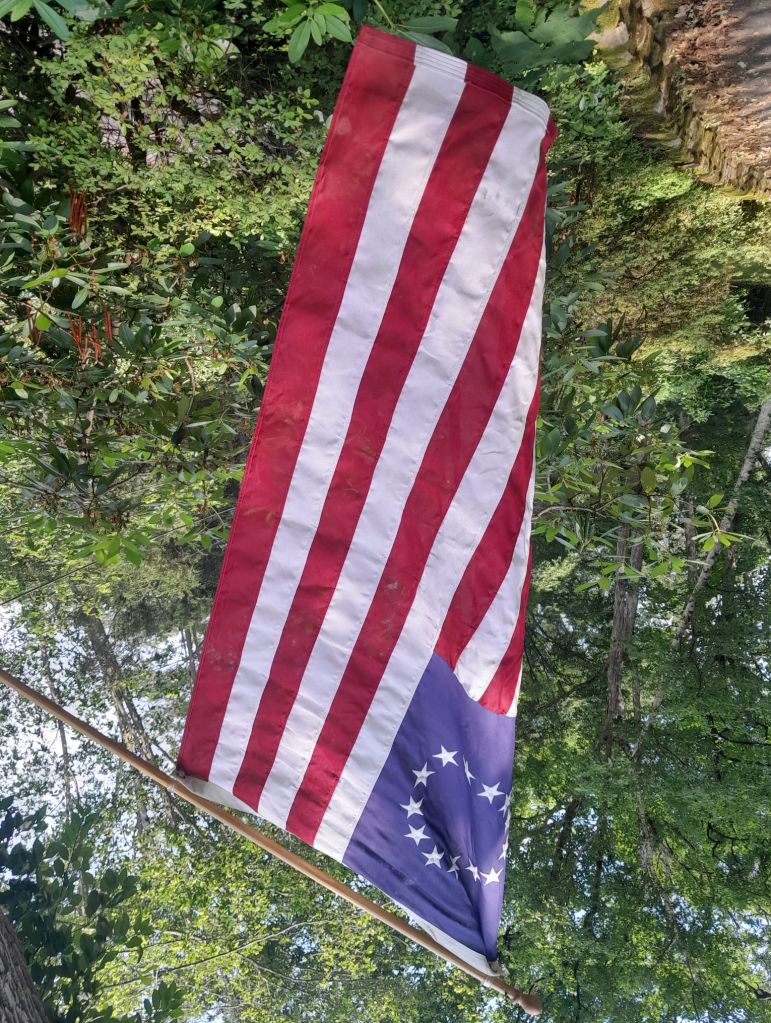
A Fledgling Celebration: The 4th of July in 1777
The 4th of July, 1777, wouldn’t be a grand national celebration as we know it today. The fledgling United States was still very much in the throes of the Revolutionary War. However, there were scattered celebrations throughout the colonies, reflecting the momentous occasion – the Second Continental Congress’s adoption of the Declaration of Independence.
Fireworks and Festivities, But With Caution
Fireworks, a staple of modern 4th of July celebrations, were present in some form. In Philadelphia, where the Declaration was signed, colonists likely enjoyed celebratory gunfire and bonfires. Public displays of fireworks, however, were uncommon due to safety concerns and the ongoing war effort.
Feasts and Toasts to Independence
Festivities took a more subdued form, often centered around taverns and public houses. Colonists would gather for meals, raise toasts to independence, and discuss the future of their new nation. Wealthier families might host private dinners, with patriotic speeches and readings of the Declaration.
Military Salutes and Displays
The Continental Army, scattered across battlefields, also observed the occasion. Soldiers fired celebratory volleys, and some officers might have held special readings of the Declaration for their troops. Military bands, if available, would play patriotic tunes to boost morale.
Expressions of Patriotism Beyond Celebrations
Patriotism in 1777 manifested beyond organized celebrations. Colonists might wear clothing adorned with the red, white, and blue, a color scheme gaining traction as a symbol of the new nation. Homes might be decorated with flags, though these wouldn’t be the standardized stars and stripes of today. Some newspapers printed the Declaration in full, allowing citizens to read it firsthand.
A Celebration of Unity in a Divided Nation
It’s important to remember that not everyone in the colonies celebrated. Loyalists, who remained loyal to the British crown, would have viewed the Declaration with dismay. Additionally, enslaved people and some Native American tribes saw little reason to celebrate a revolution that didn’t guarantee their freedom.
A Glimpse into the Future
While the 4th of July, 1777, wasn’t a unified national celebration, it laid the groundwork for future traditions. The day’s significance was undeniable, marking a turning point in American history. The scattered celebrations reflected a shared sense of purpose and a growing national identity.
Beyond Celebrations: The War Rages On
However, the reality of war remained. News of the Declaration wouldn’t have reached all corners of the colonies immediately, and the fight for independence was far from over. Colonists celebrated amidst uncertainty, knowing the future was precarious.
The Legacy of the 1777 Celebration
The 4th of July, 1777, serves as a reminder of the humble beginnings of a now-grand national holiday. It wasn’t a day of parades and fireworks, but rather a collection of smaller, more personal celebrations that reflected the spirit of a newly formed nation.
Here are some additional points to consider for your 1700-word exploration:
Regional Variations: Explore how celebrations might have differed in different parts of the 13 colonies. Urban areas might have had more organized events, while rural areas might have had more informal gatherings.
The Role of Women: Women played a significant role in the revolution, both through boycotts and by running businesses while men were at war. How might women have participated in the 4th of July observances?
The Role of the Press: Newspapers were a key source of information during the revolution. How might newspapers have covered the Declaration and encouraged celebrations?
The Impact on Loyalists: How did Loyalists react to the Declaration and the celebrations? Did they participate in any way, or did they remain isolated?
Symbols of the Revolution: The American flag we know today wasn’t finalized until 1777. What other symbols, such as liberty trees or flags with different designs, might have been used in the celebrations?
By exploring these details, you can create a rich and multifaceted picture of the 4th of July, 1777, a day that marked a turning point in American history, even if the celebrations themselves were a work in progress.
 IGLESIA ASAMBLEA DE DIOS MANANTIAL DE VIDA | ESCUELA BIBLICA DE NIÑOS CRISTIANO, MINISTERIO INFANTIL, PEDRO DE MACORIS 023, 21000, REPÚBLICA DOMINICANA and non-profit organizations and Dominican religious institutions in RD.